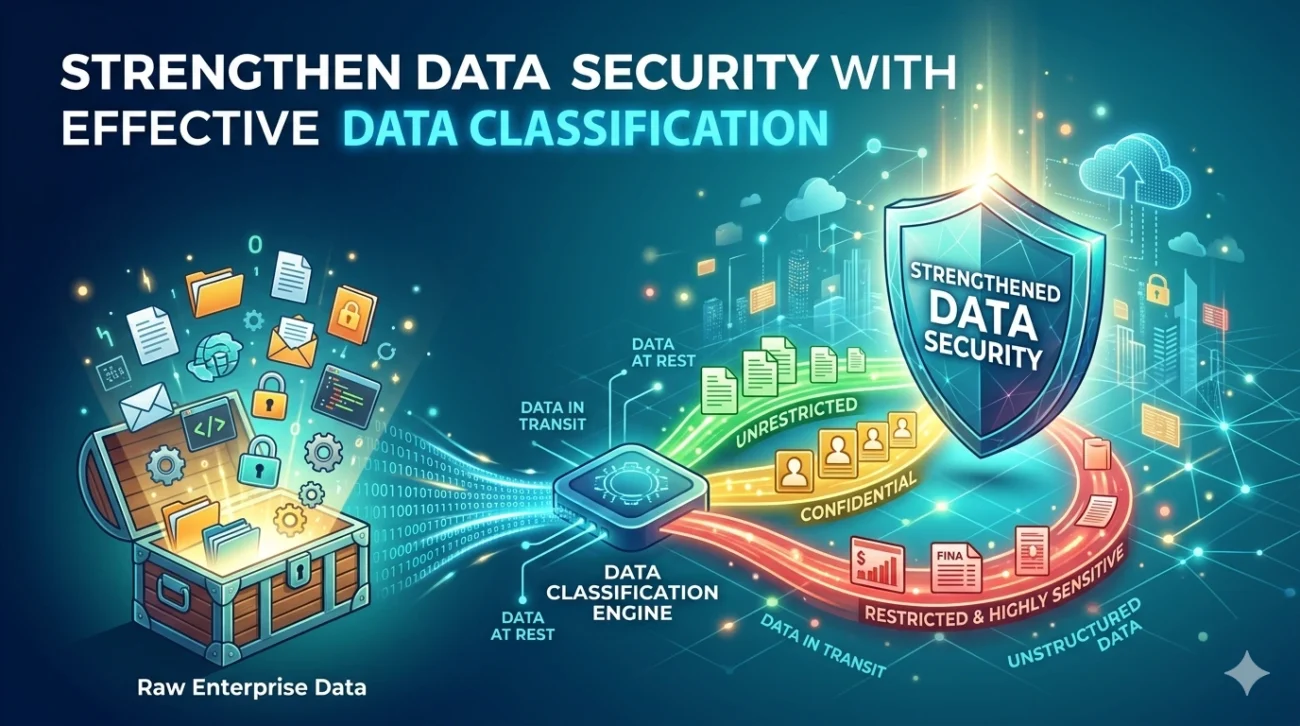
In today’s digital landscape, data is one of the most valuable assets an organization possesses. Protecting that data requires more than just basic security measures—it demands a clear understanding of where data resides, how it is used, and how sensitive it is. Data exists in three primary states: at rest, in transit, and in use. Each of these states introduces unique risks, making it essential for organizations to apply consistent and comprehensive data classification practices across all environments.
Data within an enterprise can broadly be categorized as structured or unstructured. Structured data, typically found in databases and spreadsheets, is relatively easier to organize and manage. In contrast, unstructured data—such as emails, documents, multimedia files, and source code—is far more complex and often constitutes the majority of enterprise data. This complexity makes unstructured data harder to monitor and protect, increasing the importance of a well-defined classification strategy.
A strong data classification approach enables organizations to identify what data is critical and where it resides. This visibility is key to implementing appropriate security controls and avoiding unnecessary exposure. Without proper classification, sensitive data can easily become vulnerable to breaches, compliance violations, and operational risks. Organizations that fail to manage their data effectively may face financial penalties, reputational damage, and loss of customer trust.
The process of data classification begins with establishing a clear strategy that aligns with business objectives and risk tolerance. This includes defining workflows, assigning data ownership, and creating a classification framework that reflects the value and sensitivity of different types of data. Once a strategy is in place, organizations must identify and locate critical data across their systems. This is followed by labeling and tagging data to ensure it is categorized correctly. These classifications then serve as the foundation for implementing appropriate security controls and compliance measures. Since data environments are constantly evolving, classification must be treated as an ongoing process rather than a one-time activity.
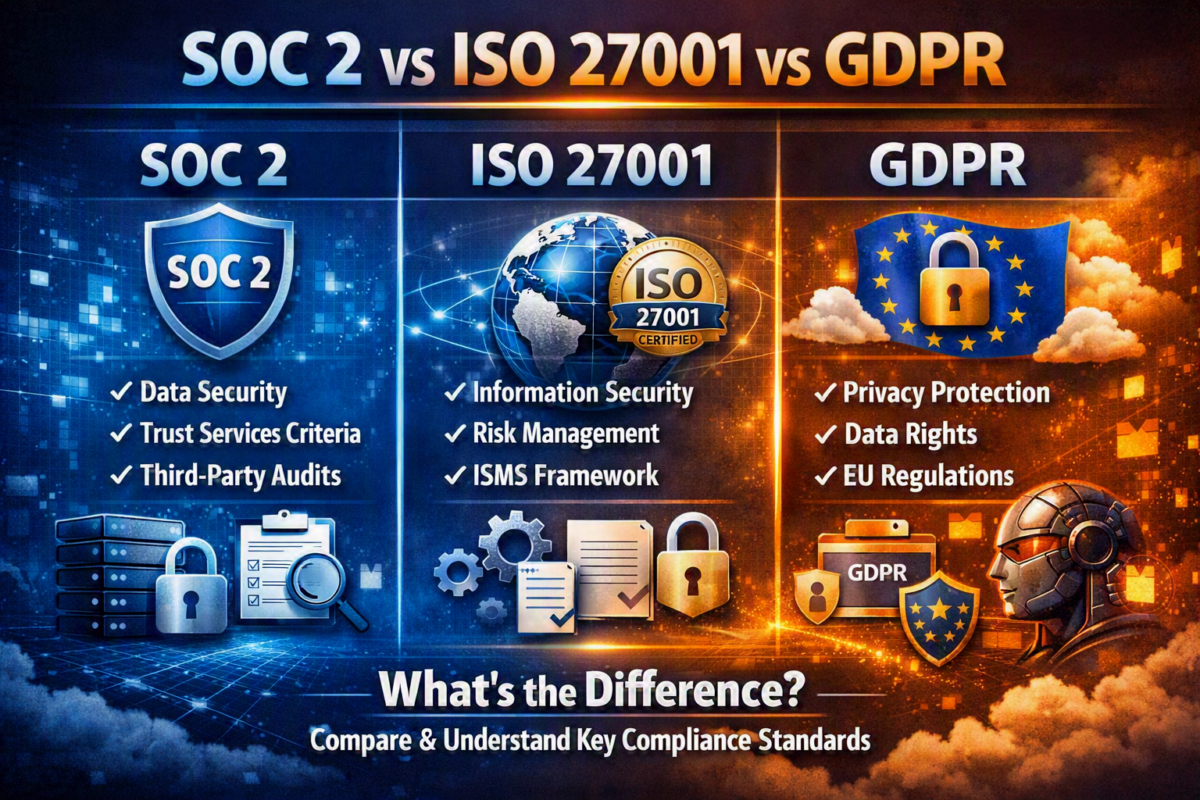
An effective data classification framework also requires alignment with regulatory and compliance requirements. Organizations today operate under a wide range of standards and regulations, and a structured approach to data classification helps ensure adherence to these requirements. By integrating classification with compliance frameworks, businesses can simplify audits, improve governance, and reduce the risk of non-compliance.
Modern enterprises increasingly rely on advanced tools and technologies to support data classification efforts. Automated solutions can scan systems, identify sensitive information, detect anomalies, and uncover hidden risks such as shadow IT or misplaced data. These tools enhance visibility and enable organizations to respond proactively to potential threats. When combined with robust data protection mechanisms such as data loss prevention solutions, they provide end-to-end security across all data states.
Another critical aspect of data classification is continuous monitoring and incident response. Organizations must be able to track how data is accessed and used, detect unusual behavior, and respond quickly to potential security incidents. Integrating classification with security operations allows for better threat detection, faster response times, and more effective risk management.
The benefits of data classification extend beyond security. It allows organizations to prioritize their efforts based on data sensitivity, ensuring that the most critical assets receive the highest level of protection. It also improves operational efficiency by providing clarity around data usage and ownership. From a compliance perspective, classification makes it easier to identify regulated data and apply the necessary controls, helping organizations meet legal and industry requirements with confidence.
Ultimately, data classification is not just a technical necessity but a strategic enabler. It empowers organizations to take control of their data, reduce risk, and build a strong foundation for secure digital transformation. By adopting a structured and intelligent approach to data classification, businesses can protect sensitive information, maintain compliance, and operate with greater confidence in an increasingly complex data environment.